
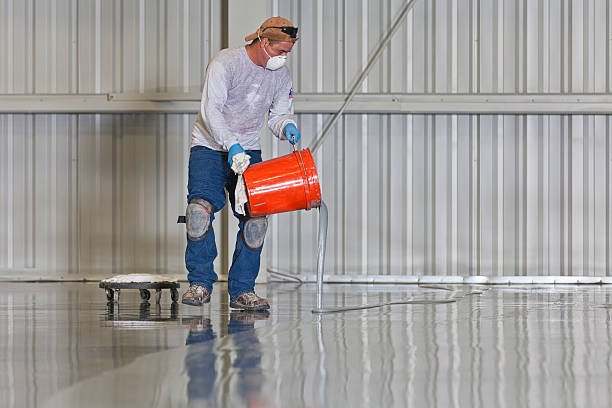
If you’ve walked through a friend’s garage lately and noticed a glossy, almost showroom-like floor underfoot, chances are it wasn’t paint. It was epoxy. And it’s showing up everywhere across the Lower Mainland right now, from basement rec rooms in Burnaby to garage workshops in Surrey and finished floors in North Vancouver condos.
There’s a reason this trend isn’t slowing down. Homeowners are tired of concrete that cracks, stains, and looks tired within a couple of years. They want something that survives our wet coastal winters, handles road salt and tire marks, and still looks good enough to show off. That’s exactly why so many people searching for the Best Epoxy Flooring in Vancouver BC end up choosing it over tile, laminate, or plain sealed concrete. It’s tough, it’s low maintenance, and honestly, it just looks better.
This guide walks through the flooring styles worth considering in 2026, what makes a good installation, and a few things people often get wrong when planning a project.
Why Vancouver Homeowners Are Switching to Epoxy
Vancouver’s climate isn’t kind to concrete. Rain, humidity, and the occasional freeze-thaw cycle wear down untreated floors faster than most people expect. Garages take the worst of it: road grime, oil drips, melting snow tracked in from the mountains. A properly sealed epoxy garage floor Vancouver homeowners install today can handle that abuse for a decade or more without chipping or fading.
Inside the home, it’s less about weather and more about lifestyle. Families with kids and pets want a surface that’s easy to mop, doesn’t trap allergens, and won’t stain from spilled juice or muddy paw prints. Epoxy checks all three boxes, which is part of why residential epoxy flooring has moved well beyond garages and into basements, laundry rooms, and even kitchens.
Popular Epoxy Flooring Styles for 2026
The days of plain grey epoxy are basically over. Here’s what’s actually getting installed right now.
Metallic epoxy floors. These use pigments that swirl and shift under the coating, creating a marbled, almost 3D look. They’re a favourite for statement garages and home gyms because no two floors turn out exactly alike.
Flake epoxy systems. Coloured vinyl flakes get broadcast into the base coat, giving a speckled, granite-like texture. This style hides dirt and minor imperfections well, which makes it a practical choice for busy garages and workshops.
Solid colour epoxy. Clean, single-tone floors in charcoal, slate, or white are still popular for people who want a modern, minimalist finish without a lot of visual noise.
Quartz-filled epoxy. A step up in durability, often chosen for entryways or mudrooms where extra grip and slip resistance matter.
Each of these can be paired with a clear topcoat that adds UV resistance, which matters more here than people realize. Even overcast Vancouver skies can yellow a cheap coating over time.
Garage Floor Ideas Worth Considering
A garage floor gets more abuse than almost any other surface in the house, so function should come before looks. That said, you don’t have to sacrifice one for the other.
- Hot tire resistant coatings: standard in most modern epoxy systems, but worth confirming before you sign a quote
- Anti-slip additives: especially useful if the garage doubles as a workshop or gym space
- Two-tone borders: a darker perimeter with a lighter field colour gives a finished, almost commercial look
- Logo or design inlays: some homeowners are adding subtle branded touches, sports team logos, or geometric patterns for a personal feel
If your garage also stores bikes, tools, or a workbench, ask your installer about adding a heavier-duty topcoat. Standard residential epoxy handles daily foot and car traffic fine, but heavier equipment benefits from an upgraded finish.
Indoor Living Spaces: Basements, Laundry Rooms, and More
Epoxy isn’t just a garage material anymore. Basements in particular are a great fit because epoxy handles minor moisture better than hardwood or laminate, and it doesn’t warp if there’s ever a small leak. Laundry rooms benefit for the same reason, spills and detergent residue wipe away without damaging the surface.
Some Vancouver homeowners are even taking epoxy into kitchens and home offices, usually in a matte or satin finish that feels less industrial and more like polished concrete. It’s a growing trend, though it does need a professional hand to get the sheen and texture right for daily indoor living.
How Much Does It Cost in Vancouver?
Pricing varies depending on square footage, floor condition, and the system chosen. A basic solid-colour epoxy garage floor coating in Vancouver typically costs less than a metallic or flake system, since those require more prep work and multiple coating layers. Concrete condition matters too. Floors with existing cracks or moisture issues need extra prep, which adds to the final price.
Rather than chasing the cheapest quote, it’s worth asking contractors what’s actually included: surface grinding, crack repair, primer coats, and UV-stable topcoats all affect how long the floor lasts. A cheap job that needs redoing in three years isn’t actually cheaper.
Choosing the Right Installer
Not all epoxy is created equal, and a lot of the difference comes down to prep work rather than the coating itself. A rushed installer might skip grinding the concrete properly, which is the single biggest reason epoxy floors peel or bubble later on. Ask any epoxy flooring contractors Vancouver BC has to offer about their surface prep process before anything else. It tells you more about quality than the brand of epoxy they use.
It’s also worth checking how long they’ve been doing residential work specifically, since garage and home flooring have different demands than commercial or industrial jobs.
Maintaining Your Epoxy Floor
One of the biggest selling points of epoxy is how little upkeep it needs. A quick sweep and the occasional mop with mild soap keeps most floors looking new for years. Avoid harsh chemical cleaners since they can dull the topcoat over time, and use furniture pads under heavy equipment or workbenches to prevent scratching.
Frequently Asked Questions
How long does epoxy flooring last in Vancouver’s climate?
A properly installed floor typically lasts 10 to 20 years, even with our wet winters, as long as the concrete was prepped correctly beforehand.
Can epoxy be installed over an existing garage floor?
Yes, as long as the concrete is structurally sound. Cracks and moisture issues need to be addressed first, which is why a proper inspection matters before installation.
Is epoxy flooring slippery when wet?
Standard epoxy can be slick when wet, but most installers add anti-slip additives for garages and entryways to reduce that risk.
How long before I can park my car on a new epoxy floor?
Most floors need about 72 hours to cure enough for light foot traffic, and up to a week before heavier vehicle weight is safe.
Is epoxy flooring worth the investment for a home in Vancouver?
For most homeowners, yes. Between the durability, low maintenance, and resale appeal, the Best Epoxy Flooring in Vancouver BC installations tend to pay for themselves over time compared to repainting or replacing concrete every few years.
Final Thoughts
Epoxy flooring has come a long way from the plain, industrial coatings people associate with old warehouses. Between metallic finishes, flake systems, and practical garage coating options, there’s a style for nearly every home and budget heading into 2026. The key is picking a contractor who takes prep work seriously and choosing a finish that matches how you actually use the space, not just how it looks on day one.
If you’re weighing your options, it’s worth getting a quote from a local team that specializes in this kind of work. Pacific Floors and Coatings has been helping homeowners across Vancouver upgrade their garages and living spaces with durable, custom-finished epoxy floors, the kind of local experience that makes the difference between a coating that lasts a couple of years and one that lasts a couple of decades.