
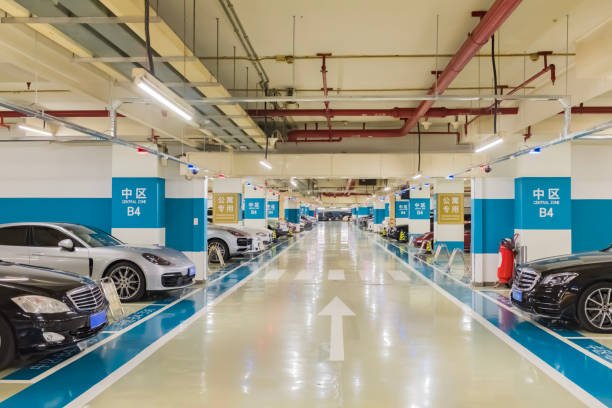
If you’ve walked into a garage lately and stepped on a floor that looks more like a showroom than a storage space, chances are you were standing on an epoxy system. It’s one of those upgrades that used to be reserved for high-end shops and commercial units, but it’s become one of the most requested home improvements across the Lower Mainland heading into 2026.
Garage epoxy flooring in Vancouver has picked up momentum for a simple reason. It solves problems that homeowners have been dealing with for years without really having a permanent fix. Oil stains, salt tracked in during the winter, cracked and dusty concrete, tires that leave marks on the surface, all of it gets addressed in one installation. Before you book anyone for the job, though, it helps to actually understand what you’re paying for, what changed heading into this year, and what separates a floor that lasts from one that starts peeling within twelve months.
Why Garages Take More Punishment Than Any Other Floor in the House
A garage floor deals with things no other surface in your home has to handle. Vehicles drip oil and coolant. Snow melts off tires and pools in the same spot every day. Road salt gets tracked in all winter and sits against bare concrete, slowly eating away at the surface. Add in dropped tools, rolling toolboxes, and the occasional car battery leak, and it’s easy to see why plain concrete doesn’t hold up.
Untreated concrete is porous, which means it soaks up whatever lands on it. Stains set in permanently, moisture works its way into the slab, and over a few winters you start seeing cracking, pitting, and dusting. A properly applied coating seals all of that out from day one.
What’s Changed Heading Into 2026
The formulas being used this year lean heavily toward polyaspartic and hybrid polyurea-epoxy systems rather than the older single-layer epoxy paints homeowners used a decade ago. These newer coatings cure faster, resist UV yellowing better, and hold up longer against the freeze-thaw cycles typical of a coastal winter. A lot of installers are also moving toward thicker multi-layer builds with a broadcast flake or quartz layer, which adds grip and hides minor surface imperfections instead of highlighting them.
Another shift worth knowing about is moisture testing before installation. More contractors are now testing slab moisture levels as a standard step rather than an optional one, because a coating applied over a slab with excess moisture is one of the leading causes of bubbling and premature failure.
What Actually Goes Into a Proper Installation
A lot of the difference between a floor that lasts two years and one that lasts fifteen comes down to prep work, not the coating itself.
1. Surface Grinding
The concrete gets mechanically ground down to open up the pores and remove any old sealant, paint, or contamination. Skipping this step is one of the most common reasons coatings fail early, because the epoxy has nothing solid to bond to.
2. Crack and Pit Repair
Any existing cracks or pitting need to be filled and leveled before the coating goes down. Coating over damage just locks the problem in place under a glossy surface.
3. Moisture Testing
As mentioned above, this step catches slabs that aren’t ready for a coating yet, saving you from a job that bubbles or delaminates within months.
4. Base Coat and Build Layers
This is where the actual epoxy floor coating goes down, often in two or three layers depending on the system being used and the amount of traffic the garage sees.
5. Topcoat and Cure Time
A polyurethane or polyaspartic topcoat is added for UV resistance, chemical resistance, and abrasion resistance. Cure time matters here. A rushed cure is another common reason floors don’t hold up the way they should.
What It Actually Costs and What You Get Back
Pricing varies depending on square footage, the number of coats, and whether flake or quartz broadcast is added, but a garage floor coating in Vancouver generally lands in a range that homeowners find reasonable once they compare it against the alternative of repeated concrete repairs. Unlike paint or sealant that needs reapplication every couple of years, a properly installed system is a one-time investment that holds up for well over a decade with minimal upkeep.
Beyond the money side, there’s a noticeable jump in how the space actually functions. Tools roll smoother, spills wipe up instead of soaking in, and the garage stops looking like an afterthought and starts looking like usable square footage.
Choosing the Right System for Your Garage
Not every home needs the same build. A garage that mainly stores a car and holiday decorations doesn’t need the same thickness as one that doubles as a workshop with heavy tools, a lift, or constant foot traffic. Talking through how the space actually gets used before committing to a system helps avoid paying for more than necessary, or worse, under-building a floor that wears out faster than it should.
Frequently Asked Questions
How long does garage epoxy flooring last in Vancouver’s climate?
A properly installed system with the right prep and topcoat typically lasts 10 to 20 years, even with the moisture and temperature swings common to the region.
Can it be installed over a cracked garage floor?
Yes, as long as the cracks are repaired and the slab is properly ground and prepped beforehand. Coating over unrepaired damage will cause the same cracks to reappear over time.
Is it slippery when wet, especially with snow and rain being tracked in?
Not when finished correctly. A broadcast flake or textured additive in the topcoat gives it slip resistance, which is particularly useful in a wet coastal climate.
How long does the garage need to stay closed off during installation?
Most residential garages need anywhere from 2 to 5 days depending on the number of coats and cure time between layers, though full cure for heavy use can take up to a week.
Does it resist oil and coolant stains from vehicles?
Yes. Once cured, the surface is non-porous, so oil, coolant, and other fluids sit on top instead of soaking in, making cleanup straightforward.
Is DIY epoxy paint the same as a professionally installed system?
Not even close. Store-bought epoxy paint kits are thin, single-layer coatings that typically peel or wear through within a year or two. Professional garage epoxy flooring in Vancouver installations use proper surface prep, thicker builds, and industrial-grade topcoats designed for long-term durability.
Final Thoughts
Heading into 2026, garage floors are no longer an afterthought for homeowners in this region. Between the wet climate, the wear from daily vehicle use, and the rising interest in turning garages into functional workspaces, a properly installed coating system has become one of the more practical upgrades available. If you’re planning this kind of project and want it done with the right prep, materials, and long-term durability in mind, Pacific Floors and Coatings is a name worth having on your shortlist before work begins.