
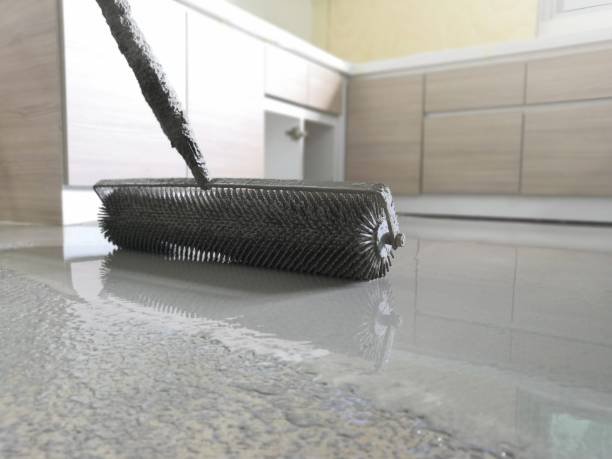
Choosing new flooring for a home is never a small decision. It affects how a space looks, how it feels underfoot, and how much work you’ll be doing to keep it clean over the years. Lately, one option keeps coming up in conversations among homeowners, contractors, and interior designers alike, and for good reason.
Homeowners searching for durable, low maintenance surfaces are increasingly turning to Epoxy Flooring in Surrey, BC, and it’s easy to see why. This flooring style has moved well beyond garages and warehouses. It’s now showing up in kitchens, basements, living rooms, and even entryways, offering a sleek finish that holds up to everyday life far better than many traditional materials. If you’ve been weighing your flooring options and wondering whether epoxy deserves a spot on your shortlist, here’s a closer look at what makes it such a compelling choice.
It Handles Daily Wear Without Falling Apart
One of the first things people notice about epoxy is how tough it is. Unlike hardwood that scratches or tile that cracks under heavy impact, a properly applied epoxy surface shrugs off dropped tools, furniture drags, and pet claws. It bonds tightly to the subfloor, creating a seamless layer that doesn’t chip or peel the way some coatings do over time.
This resilience matters most in homes with kids, pets, or a lot of foot traffic. Instead of worrying about every scuff or spill leaving a permanent mark, homeowners get a floor that keeps its appearance through years of regular use. For anyone who has dealt with the frustration of a flooring material that looked great on installation day but faded fast, this kind of staying power is a welcome change.
Cleaning Becomes Refreshingly Simple
Grout lines, wood grain, and carpet fibers all have one thing in common. They trap dirt, dust, and stains in places that are hard to reach. Epoxy eliminates that problem entirely by forming a smooth, non porous surface. Spills wipe away with a damp cloth, and there are no seams for grime to hide in.
This makes it a favorite for garages, mudrooms, and basements where messes are common, but it works just as well in kitchens and laundry areas. A quick sweep and an occasional mop are usually all it takes to keep the floor looking fresh. For busy households, that kind of low effort upkeep can make a real difference in day to day life.
The Design Options Go Far Beyond Plain Gray
Many people still picture a flat gray industrial floor when they hear the word epoxy, but that image is outdated. Modern formulations come in a wide range of colors, finishes, and decorative flake patterns that can mimic the look of polished stone, terrazzo, or even metallic swirls. Homeowners can match the floor to their existing decor or use it as a statement piece that ties a room together.
This flexibility means epoxy isn’t just a practical choice, it’s also a design opportunity. Whether the goal is a glossy showroom look for a garage or a warm, textured finish for a living space, there’s likely a combination that fits the vision. Working with an experienced installer who understands both the technical side and the aesthetic possibilities helps homeowners get a result that feels custom rather than generic.
It Stands Up to Moisture and Chemical Spills
Basements and garages are prone to dampness, oil drips, and the occasional chemical spill, whether from cleaning products, automotive fluids, or DIY projects gone slightly sideways. Untreated concrete absorbs these substances, leading to stains and gradual deterioration. Epoxy forms a protective barrier that resists moisture penetration and shrugs off most common household chemicals.
This resistance is particularly valuable in climates where seasonal dampness is a regular concern. A sealed, water resistant surface helps prevent the kind of moisture related issues that can lead to mold growth or subfloor damage down the line. It’s one more reason this flooring option appeals to homeowners who want peace of mind along with good looks.
The Investment Pays Off Over Time
Flooring isn’t something most people want to replace often. Between the disruption of installation and the effort of finding a style that still fits years later, longevity matters. Epoxy is built to last, often outperforming other flooring types in terms of years of service before any recoating or touch up is needed.
Because it resists the everyday damage that shortens the lifespan of other materials, homeowners typically find themselves reinvesting in their floors far less frequently. That translates into fewer disruptions to daily life and a surface that continues to perform well long after installation. When you factor in the reduced maintenance and the durability, it becomes clear why so many homeowners view this as a smart long term decision rather than just a passing trend.
Homeowners across the region considering an upgrade often start by researching local specialists, and those searching for Epoxy Flooring in Surrey, BC typically find that working with an installer familiar with the area’s climate and housing styles leads to the best results. Local expertise matters, since factors like humidity, subfloor conditions, and regional building trends can all influence how a floor performs over time.
Beyond the five points covered here, it’s worth mentioning that epoxy flooring also tends to improve lighting in a room. The glossy or satin finish reflects ambient light, which can make basements and garages feel brighter and less closed in. Homeowners who spend time in these spaces, whether for hobbies, workouts, or simply extra storage, often comment on how much more inviting the room feels after the switch.
Frequently Asked Questions
Is epoxy flooring only suitable for garages?
No. While it started as a garage and workshop favorite, epoxy is now widely used in basements, kitchens, laundry rooms, and even living areas thanks to its improved design flexibility and finishes.
How long does an epoxy floor typically last before needing attention?
With proper installation and reasonable care, epoxy floors can remain in great condition for many years. Longevity depends on foot traffic, exposure to sunlight, and how well the surface was prepared before application.
Can epoxy be installed over an existing concrete floor?
Yes, in most cases. The existing surface usually needs to be cleaned, repaired if necessary, and properly prepped so the epoxy bonds correctly. A professional assessment helps determine whether any additional prep work is required.
Does epoxy flooring get slippery when wet?
Standard glossy epoxy can be slick when wet, but many installers offer slip resistant additives or textured finishes for areas like entryways, laundry rooms, or basements where moisture is more likely.
Is epoxy a good option for homes with pets?
Yes. Its scratch resistant, non porous surface makes it easy to clean up after muddy paws or accidents, and it holds up well against claws compared to softer flooring materials.
Conclusion
Epoxy flooring has earned its growing popularity by offering a rare combination of durability, easy upkeep, and genuine design versatility. From resisting daily wear and moisture to giving homeowners far more style options than the industrial floors of the past, it’s a choice that continues to prove its worth long after installation. For anyone in the region exploring this option, the team at Pacific Floors and Coatings brings the kind of thoughtful, long term thinking that goes into a good flooring decision, and working with a local, experienced team can help turn that decision into a floor you’ll be happy with for years to come.