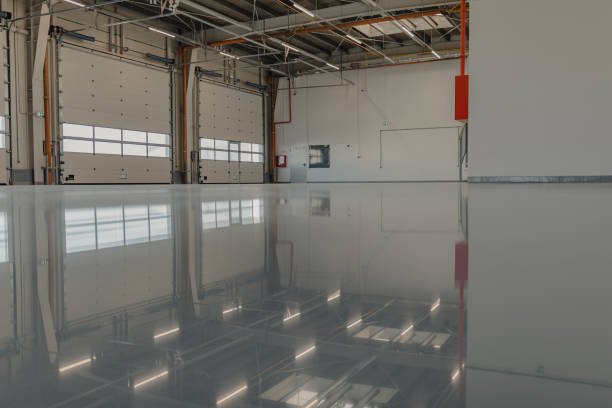
If you’ve ever walked into a garage or warehouse and noticed an epoxy floor that’s peeling at the edges, bubbling in patches, or looking cloudy after only a year or two, you’ve seen the aftermath of a rushed or poorly planned job. Epoxy coatings have a reputation for being tough, glossy, and low-maintenance — and they genuinely are, when they’re installed the right way. The problem is that a huge number of installations go wrong for reasons that have nothing to do with the product itself and everything to do with the process.
This is especially worth knowing if you’re weighing your options for Epoxy Flooring in Delta, BC, where the coastal climate, humidity swings, and older concrete slabs in many homes and commercial units create extra challenges that a lot of DIYers and even some contractors don’t account for. A floor that looks perfect on day one can start showing cracks, discoloration, or lifting within months if a few key steps were skipped. Below are the mistakes we see most often, and what actually needs to happen instead.
Skipping Proper Concrete Preparation
This is, without question, the number one reason epoxy coatings fail. Concrete is porous, and it holds onto years of oil stains, dust, sealers, and moisture. If the surface isn’t properly ground, etched, or diamond-polished before the coating goes on, the epoxy has nothing solid to grip. It might look fine for a few weeks, then start peeling in sheets the moment something heavy is dragged across it. A concrete floor coating only performs as well as the surface underneath it, and there’s no shortcut around this step.
Ignoring Moisture Levels in the Slab
Concrete that sits on grade meaning it’s poured directly on soil is constantly wicking moisture up from below. If that moisture isn’t tested and addressed before coating, it gets trapped underneath the epoxy and eventually pushes the whole system loose. This shows up as bubbling, a milky haze, or a hollow sound when you tap the floor. A simple moisture test before installation can save an entire project.
Choosing the Wrong Product for the Space
Not every epoxy system is built for the same job. A basement floor with light foot traffic doesn’t need the same build-up as a mechanic’s shop floor that sees hot tires and dropped tools daily. Using a thin, budget-grade coating in a high-impact area is one of the fastest ways to end up with chipping and scratching within the first year. Matching the coating thickness, hardness, and additives to how the space is actually used is just as important as the application itself, whether it’s a garage floor epoxy system or a heavy-duty industrial finish.
Rushing the Cure Time
Epoxy needs time full stop. Walking on it too soon, rolling equipment across it, or exposing it to moisture before it’s fully cured almost always leaves permanent marks or soft spots. Temperature and humidity both affect how long curing actually takes, and pushing the timeline because a space “needs to reopen” is one of the most common regrets people have after a rushed install.
Applying Coating in the Wrong Conditions
Temperature and humidity aren’t just factors for curing — they matter during application too. Epoxy applied when it’s too cold won’t level or bond properly, and applying it in overly humid conditions can cause a cloudy or blushed finish known as amine blush. This is particularly relevant for anyone working through the wetter months, since timing the job around dry, stable weather windows makes a measurable difference in the final result.
Mixing the Epoxy Incorrectly
Two-part epoxy systems need to be mixed at precise ratios and for a specific amount of time. Eyeballing the measurements, under-mixing, or mixing too fast (which introduces air bubbles) all lead to a coating that never fully cures or hardens unevenly across the floor. It sounds like a small detail, but incorrect mixing is behind a surprising number of failed jobs, especially with DIY kits.
Overlooking Ventilation and Safety Prep
Epoxy fumes are strong, and in an enclosed garage or basement, poor ventilation doesn’t just create an unpleasant work environment — it can also affect how the coating sets. Trapped fumes and inconsistent airflow can lead to uneven curing across different sections of the same floor. Proper airflow during both application and curing is one of those details that’s easy to underestimate until it becomes a visible problem.
Skipping the Top Coat or Sealer
Some installers treat the colored base coat as the finish line, but without a clear top coat or sealer, the floor is left exposed to UV yellowing, chemical stains, and abrasion. This is especially true for anyone comparing commercial epoxy flooring against residential jobs, since commercial spaces typically need a more resilient top layer to handle daily wear from vehicles, foot traffic, or equipment. Skipping this step is a bit like painting a wall and never sealing it — it looks fine at first, but it won’t hold up.
Why Professional Installation Makes the Difference
Every one of these mistakes is avoidable, but they require experience to catch before they become permanent problems. A professional crew knows how to read a slab, test for moisture, choose the right system for the space, and time the application around weather and humidity — things that are genuinely hard to judge without having done dozens of these jobs before. That’s really the difference between a floor that looks good in photos and one that still looks good five years later.
For homeowners and business owners researching Epoxy Flooring in Delta, BC, the takeaway is simple: the finish is only as good as the process behind it. Surface prep, moisture testing, correct product selection, and proper curing conditions all matter more than the brand of epoxy on the label. Getting these fundamentals right the first time costs less than fixing a failed floor later, both in money and in downtime.
Frequently Asked Questions
How long does a properly installed epoxy floor last?
With correct surface prep and application, a quality epoxy floor coating can last anywhere from 10 to 20 years, depending on traffic levels and maintenance.
Can epoxy be applied over an old, damaged concrete floor?
It depends on the extent of the damage. Minor cracks and pitting can usually be repaired and coated over, but severely damaged slabs may need patching or grinding before any coating goes on.
How long does it take for epoxy flooring to fully cure?
Light foot traffic is usually safe after 24 hours, but full cure for heavy loads, vehicles, or chemical exposure typically takes 5 to 7 days.
Is epoxy flooring a good option for garages in coastal, humid climates?
Yes, as long as moisture testing and proper ventilation are part of the installation process. Coastal humidity is manageable with the right prep work and product choice.
Do I need a top coat if the epoxy already looks glossy?
Yes. The base coat provides color and coverage, but the top coat or sealer is what protects against UV damage, staining, and abrasion over time.
Final Thoughts
Epoxy flooring can genuinely transform a space, but only when it’s done with the right prep, the right product, and the right timing. If you’re planning a project and want it done without the guesswork, PACIFIC FLOORS AND COATINGS handles every step of the process, from surface assessment to the final sealed finish, so your floor holds up the way it’s supposed to.