
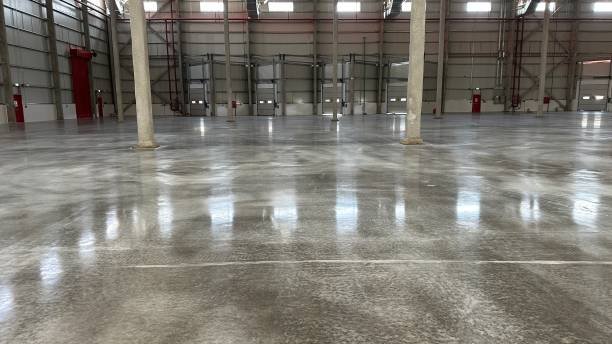
Concrete floors take a beating in this part of the world. Between the rain, the salt tracked in during winter, and the sheer amount of moisture that sits in the air for half the year, a bare or poorly sealed floor doesn’t stand a chance. That’s why so many homeowners and business owners across the Lower Mainland are finally doing something about it instead of just living with cracked, stained, or dusty concrete.
If you’ve been searching for the best epoxy flooring company in Vancouver BC, chances are you’ve already noticed the difference between a quick weekend paint job and a properly installed epoxy system. One fades and peels within a year. The other holds up for a decade or more, even in a garage that sees snow tires, oil drips, and constant foot traffic. Knowing what separates the two is the first step to getting a floor that actually does what you paid for.
Why So Many Vancouver Properties Are Switching to Epoxy
Concrete on its own is porous. It soaks up oil, road salt, tire marks, and moisture, and over time that leads to pitting, dusting, and cracks that only get worse. An epoxy coating seals all of that off. It bonds directly to the concrete and creates a hard, non-porous surface that resists stains, chemicals, and heavy loads.
For a city with as much rainfall as Vancouver, that moisture resistance matters more than people expect. Water that seeps into untreated concrete can freeze, expand, and crack the slab from the inside. A well-installed epoxy floor coating stops that cycle before it starts, which is part of why demand for epoxy garage flooring in Vancouver has grown so much over the past few years.
Garage Floor Coatings Built for BC Weather
Garages here deal with a specific kind of abuse. Wet tires drip onto the same spot every single day for months. Road salt gets tracked in all winter. Oil and coolant leaks sit on the surface if nothing is there to protect it. A quality epoxy system handles all of that without lifting or discolouring.
A proper installation isn’t just rolling paint onto concrete. It involves grinding or shot-blasting the surface to open up the pores, patching any cracks, and applying multiple layers, usually a base coat, colour flakes if desired, and a UV-stable topcoat. Skip any of those steps and the coating will start peeling within a season, especially with the temperature swings Vancouver gets between summer and winter.
Basement Flooring That Handles Vancouver’s Moisture
Basements bring a different challenge. Even with good drainage, many older homes in Vancouver still deal with dampness rising up through the slab. Carpet and laminate trap that moisture and eventually you’re dealing with mould. Epoxy doesn’t have that problem. It creates a sealed, moisture-resistant surface that’s easy to clean and doesn’t give mildew anywhere to grow.
Homeowners turning basements into rec rooms, home gyms, or rental suites are increasingly choosing epoxy over traditional flooring for exactly this reason. It’s warmer underfoot than bare concrete, it looks finished without the cost of tile or hardwood, and it won’t need replacing every time there’s a small leak.
Commercial Epoxy Solutions for Busy Spaces
Warehouses, auto shops, restaurants, retail units, and industrial facilities all put a floor through more wear in a month than most homes see in years. Forklifts, heavy shelving, constant foot traffic, dropped tools, spilled chemicals — a standard concrete floor just isn’t built for that.
Commercial-grade epoxy systems are formulated with this in mind. Thicker builds, slip-resistant additives, and chemical-resistant topcoats are common depending on the industry. A well-installed commercial floor also cuts down on maintenance costs over time, since it’s far easier to sweep and mop a sealed epoxy surface than to scrub oil and grime out of raw concrete. For businesses that can’t afford downtime, scheduling installation around off-hours or slower seasons makes the whole process far less disruptive.
What Actually Makes a Flooring Company Worth Hiring
Not every contractor doing epoxy work in the city is doing it the same way. A few things separate a job that lasts fifteen years from one that needs redoing in two:
- Proper surface prep. Grinding the concrete to the right profile matters more than the epoxy brand itself. Skipping this step is the number one reason coatings fail.
- Moisture testing. Especially for basements and older buildings, checking moisture vapor levels before installation prevents bubbling and delamination down the road.
- Industrial-grade materials. Big-box store epoxy kits are thinner and less durable than what a professional crew uses. The difference shows within the first year.
- Clear warranties. A company confident in its work will back it up in writing.
- Local experience. A crew that’s worked on Vancouver homes and businesses already understands the moisture and climate factors that trip up out-of-town or inexperienced installers.
Asking a contractor how they handle surface prep and moisture testing tells you almost everything you need to know before they even start the job.
Cost and Timeline: What to Expect
Pricing varies based on square footage, floor condition, and the type of finish, but most residential garage or basement projects fall somewhere in the range of a few thousand dollars, with commercial jobs priced per square foot depending on scope. A standard two-car garage typically takes one to two days from prep to final cure, though full cure time for heavy use can take up to a week.
Getting quotes from a couple of contractors is normal, but it’s worth comparing what’s actually included, not just the bottom-line number. A cheaper quote that skips grinding or uses a thinner coating system will almost always cost more in the long run once it needs to be redone.
Frequently Asked Questions
How long does epoxy flooring last in Vancouver’s climate?
With proper installation and surface prep, a residential epoxy floor typically lasts 10 to 20 years. Commercial floors under heavier use may need a topcoat refresh sooner, usually every 5 to 10 years.
Can epoxy be installed over a cracked or damaged concrete floor?
Small cracks and minor damage can usually be repaired and filled before coating. Larger structural cracks need to be addressed separately before epoxy is applied.
Is epoxy flooring slippery when wet?
Standard epoxy can be slick when wet, which is why slip-resistant additives are commonly mixed into the topcoat for garages, basements, and commercial spaces where moisture is a factor.
How long before I can park my car or walk on the new floor?
Most floors can handle light foot traffic within 24 to 48 hours, but full cure for vehicle weight usually takes 5 to 7 days.
Does epoxy flooring work in unheated garages?
Yes, as long as temperature and humidity conditions are managed during installation. Cold, damp conditions during application are usually the bigger concern, not the finished floor’s performance afterward.
Final Thoughts
A floor coating is one of those upgrades that’s easy to put off until the concrete is already cracked or stained beyond an easy fix. Whether it’s a garage that needs to survive another wet BC winter, a basement that keeps fighting moisture, or a commercial space that can’t afford downtime, the right installation makes the difference between a floor that lasts and one that needs redoing in a year or two. If you’re comparing options and want the best epoxy flooring company in Vancouver BC has to offer, it’s worth talking to a crew that understands local conditions and won’t cut corners on prep work.
PACIFIC FLOORS AND COATINGS has built a reputation across Vancouver for exactly that kind of straightforward, properly done epoxy work, whether it’s a single-car garage, a basement renovation, or a full commercial facility. A solid floor isn’t just about looks. It’s about not having to think about your flooring again for the next decade.