
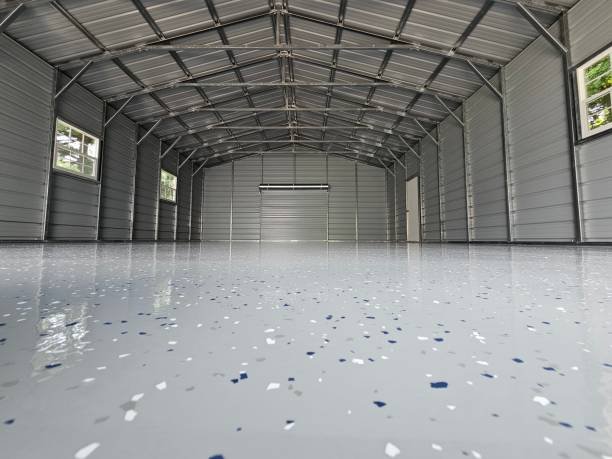
Walk into any garage, basement, or commercial unit around Coquitlam or Vancouver and you’ll notice the same problem eventually shows up: concrete that’s cracked, stained, dusty, or just plain tired-looking. It’s one of those things homeowners and business owners put off dealing with until the floor is an eyesore, or worse, a safety hazard. The good news is that fixing it doesn’t have to mean tearing anything out or spending a fortune on a full renovation.
More and more property owners across the region are turning to Epoxy Floor Coating in Coquitlam as a practical way to protect concrete while giving it a finish that actually looks good. It’s not a trend that’s going away either. Once people see how a coated floor holds up against oil spills, foot traffic, moisture, and years of daily wear, they usually wonder why they waited so long to do it. Whether it’s a garage floor, a basement rec room, a retail space, or a warehouse, epoxy has become the go-to answer for anyone who wants a durable surface without constant upkeep.
Why Concrete Floors Need More Than Just a Coat of Paint
A lot of people think a basic floor paint from the hardware store will do the trick. It won’t, not for long anyway. Regular paint sits on top of concrete and starts peeling, chipping, and fading within a year or two, especially in spaces that see vehicles, moisture, or temperature swings. Epoxy is different because it bonds chemically with the concrete surface, creating a hard, seamless layer that actually becomes part of the floor rather than something sitting on top of it.
That difference matters a lot in a climate like ours. Coastal weather brings damp winters, salt and grit tracked in from the roads, and enough freeze-thaw cycling to slowly break down untreated concrete over time. A properly applied epoxy system seals out moisture and resists the kind of staining and cracking that untreated slabs are prone to.
The Real Benefits Homeowners and Businesses Notice
People usually come to epoxy flooring for one reason, maybe it’s a stained garage or a slippery warehouse floor, but they end up appreciating a whole list of benefits they didn’t expect going in.
Durability that actually lasts. A well-installed epoxy floor can handle heavy foot traffic, forklifts, dropped tools, and hot tires without chipping or wearing thin. Most systems are rated to last well over a decade with basic care.
Easy to clean, easy to live with. Because the surface is smooth and non-porous, spills wipe up in seconds and dust doesn’t settle into cracks or pores the way it does on bare concrete. For garages, workshops, and commercial kitchens, that alone is worth the investment.
Better safety underfoot. Slip-resistant additives can be mixed into the coating, which matters a great deal in spaces that get wet, think loading docks, gyms, or basement laundry areas.
A noticeably better look. Flake systems, metallic finishes, and solid colour options mean the floor doesn’t just get protected, it gets a genuine upgrade. It’s one of those renovations that changes how a whole room feels.
Resistant to chemicals and oil. For anyone parking a car or running equipment on the floor, epoxy shrugs off gas, oil, brake fluid, and cleaning chemicals that would otherwise soak into bare concrete and leave permanent stains.
What the Installation Process Actually Looks Like
One of the biggest misconceptions is that epoxy flooring is a quick weekend DIY job. It can be attempted that way, but the results usually show it. A proper installation involves several stages, and skipping any of them is the number one reason coatings fail early.
First, the concrete gets diamond-ground or shot-blasted to open up the surface and remove old sealers, oil stains, or loose material. This step is non-negotiable. Epoxy applied over a dirty or sealed surface will peel within months. Next comes crack repair and moisture testing, since trapped moisture underneath a slab can cause bubbling later on. After that, the base coat goes down, followed by any decorative flake or colour layer, and finally a clear topcoat that adds UV resistance and extra durability.
Depending on the size of the space and the system chosen, most residential garages can be completed in one to three days. Larger commercial floors obviously take longer, especially if the business needs to stay operational around the work.
Choosing the Right System for Your Space
Not every floor needs the same treatment. A quiet basement rec room has very different demands than a busy auto shop or a commercial warehouse floor that sees pallet jacks all day. Solid colour epoxy works well for garages and simple utility spaces. Flake systems add texture and hide minor imperfections, which makes them popular for garages and patios. Metallic epoxy has become a favourite for showrooms and upscale basements because of the depth and movement in the finish. For heavy industrial use, a thicker, chemical-resistant system with a non-slip additive is usually the smarter call.
A local contractor who understands epoxy flooring for Coquitlam and Vancouver homes, including how our humidity and seasonal moisture levels affect concrete, will be able to recommend the right system rather than a one-size-fits-all approach.
Coquitlam and Vancouver Homes Face Similar Challenges
Whether a property sits in Coquitlam, Port Coquitlam, or across the water in Vancouver, the climate throws the same challenges at concrete floors. Rain for months at a time, humidity that never fully lets up, and the occasional cold snap all add up to conditions that wear down untreated concrete faster than people expect. That’s part of why demand for garage floor epoxy coating in Vancouver has grown right alongside interest in Coquitlam. Homeowners in both areas are dealing with the same moisture-related headaches and looking for the same long-term fix.
Businesses feel this too. Warehouses, auto shops, and retail spaces need flooring that can handle constant traffic while still looking presentable to customers and staff. An epoxy system checks both boxes at once, which is why it’s become such a common upgrade across commercial properties in the region, not just residential garages.
Frequently Asked Questions
How long does an epoxy floor coating actually last?
With proper surface prep and quality materials, a residential epoxy floor typically lasts 10 to 20 years before it needs recoating. Commercial floors with heavier traffic may need touch-ups sooner, but the base system still holds up remarkably well.
Can epoxy be applied over an old, cracked garage floor?
Yes, as long as the cracks are repaired and the surface is properly ground beforehand. Skipping surface prep is the main reason coatings fail, so this step should never be shortcut.
How long before I can park my car on a new epoxy floor?
Most floors are safe for light foot traffic within 24 hours, but it’s best to wait around 3 to 5 days before driving or parking a vehicle on it, giving the coating time to fully cure.
Is epoxy flooring slippery when wet?
Not if a slip-resistant additive is mixed into the topcoat, which most reputable installers include for garages, basements, and commercial spaces as standard practice.
Does epoxy coating work in a basement with moisture issues?
It can, but moisture testing needs to happen first. If there’s an ongoing moisture problem, that has to be addressed before coating, otherwise the floor can bubble or delaminate over time.
Final Thoughts
At the end of the day, a floor upgrade like this isn’t just about appearances. It’s about protecting the concrete underneath and saving yourself years of maintenance headaches. Choosing Epoxy Floor Coating in Coquitlam means getting a surface that holds up against everything daily life throws at it, from oil drips in the garage to heavy foot traffic in a commercial space, all while looking sharp for years to come.
If you’re weighing your options for a garage, basement, or business floor and want work done properly from prep to topcoat, PACIFIC FLOORS AND COATINGS is a name worth reaching out to. Getting the surface prep right and choosing a system suited to your space makes all the difference between a floor that lasts a couple of years and one that lasts a couple of decades.